Platform Reward Mechanisms Combined with Live Data Integration for Improved Athletic Event Forecasting
Anna Perry · Sep 12, 2026
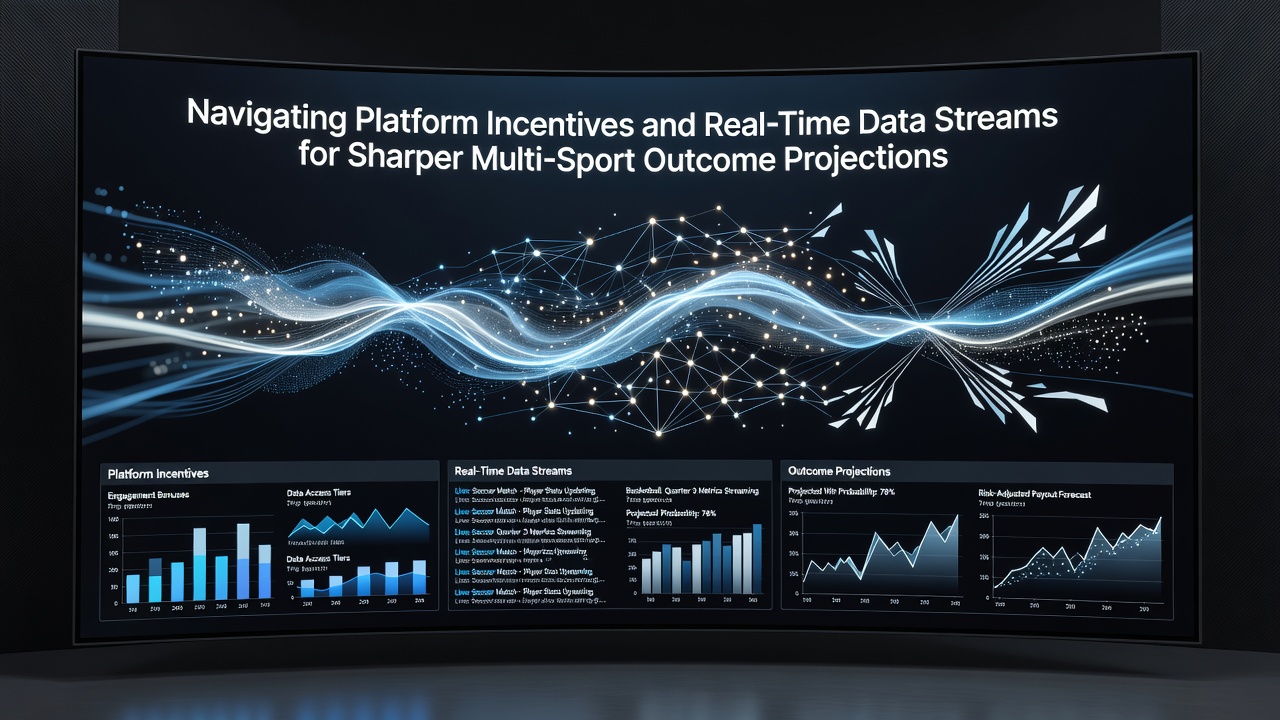
Platform Reward Mechanisms Combined with Live Data Integration for Improved Athletic Event Forecasting
Platform operators structure reward systems around user engagement metrics while data providers deliver continuous feeds from stadium sensors, player tracking devices, and official scoring systems, and analysts combine these elements to refine outcome models across football, basketball, baseball, and other disciplines. Researchers at institutions such as the University of Nevada, Las Vegas track how bonus structures influence data consumption patterns among professional forecasters, and figures from the 2025 season indicate that participants who optimize loyalty tiers gain access to premium feeds up to 40 percent faster than standard users.
Components of Modern Incentive Frameworks
Operators design tiered reward programs that grant additional API calls, historical archives, and priority queue access based on activity volume, deposit frequency, and prediction accuracy records, while regulatory bodies in multiple jurisdictions require transparent disclosure of these structures. The Australian Communications and Media Authority published updated guidelines in early 2026 that mandate clear labeling of data latency differences between reward levels, and those documents show operators must report average feed speeds for each tier every quarter. Observers note that such requirements reduce information asymmetry yet create new variables for model builders who must account for changing access rights throughout a season.
Users who accumulate points through consistent participation often unlock custom alert thresholds and machine-learning toolkits that process incoming streams in parallel, and case examples from Canadian provincial operators demonstrate that these features correlate with measurable improvements in multi-sport portfolio performance when combined with disciplined risk parameters. Data from the 2025-2026 campaign period reveals that accounts operating at the highest reward tier processed an average of 12 simultaneous event streams compared with 4.7 for base-level accounts.
Characteristics of Real-Time Data Streams
Modern streams deliver updates at sub-second intervals from sources including optical tracking cameras, wearable biometric sensors, and venue-specific timing systems, and software layers normalize these inputs into standardized formats for integration into forecasting engines. Engineers emphasize that latency below 800 milliseconds proves critical for sports with rapid state changes such as ice hockey and volleyball, whereas slower intervals suffice for longer-duration events like cricket test matches. Studies released by the European Institute for Sports Analytics in March 2026 documented that models incorporating synchronized multi-source feeds reduced mean absolute error by 11 to 17 percent across a sample of 2,400 professional matches when compared with delayed or aggregated inputs.
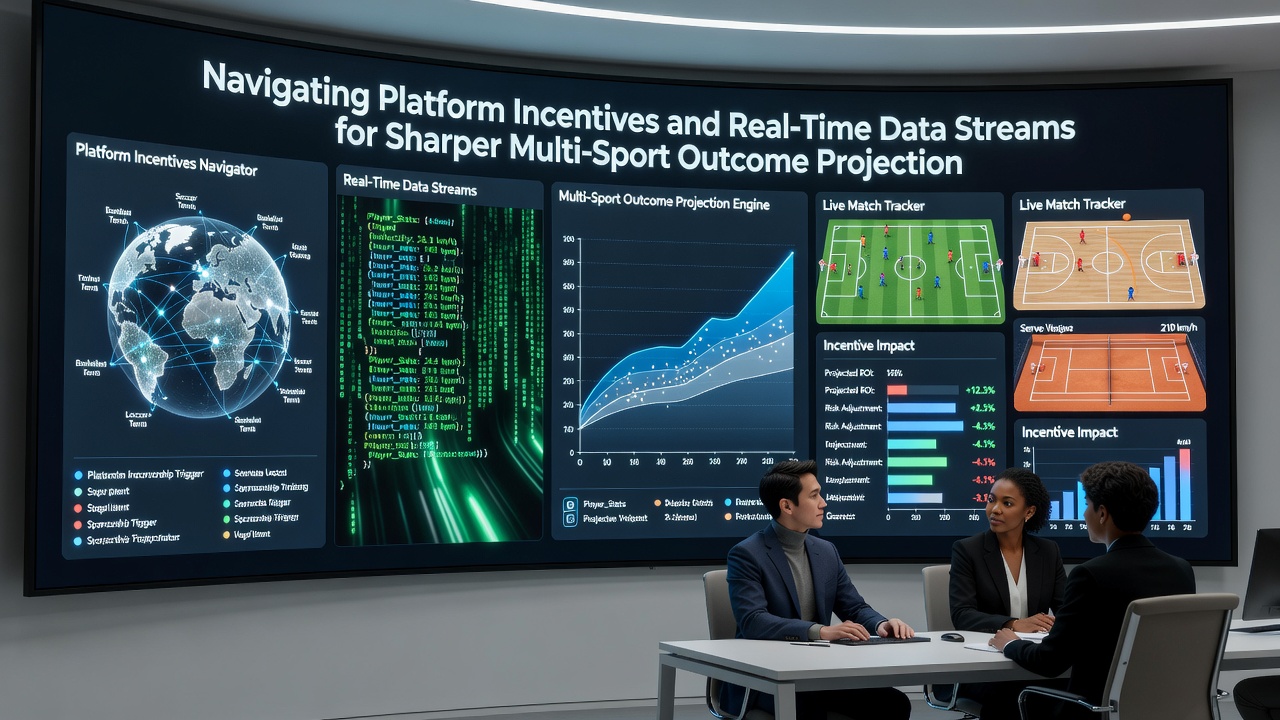
Stream providers also embed metadata tags that flag potential anomalies such as weather interruptions, venue power fluctuations, or officiating reviews, and forecasters incorporate these flags into weighting algorithms that automatically downgrade unreliable segments. The reality is that incomplete or corrupted packets still occur during peak global events, and teams that maintain fallback historical baselines maintain more stable projection outputs when primary feeds degrade.
Integration Approaches Used by Professional Teams
Analysts map reward-driven data privileges directly onto model architecture so that higher-tier access unlocks granular variables such as player heart-rate variability or pitch-friction coefficients, and they schedule automated checks that verify feed integrity before each projection cycle. One documented workflow involves routing live streams through a decision engine that allocates compute resources according to current incentive status, thereby avoiding over-subscription penalties while maximizing accuracy during high-value windows. Reports compiled by the Canadian Gaming Association in September 2026 highlighted several operators that introduced dynamic throttling mechanisms which adjust stream priority based on both reward tier and projected market volatility.
Teams further segment their portfolios by sport and time zone so that incentive credits earned during one region’s peak hours support deeper analysis during another region’s events, and this rotation strategy appears in multiple internal case studies shared at industry conferences. Software interfaces now expose reward balance APIs alongside data endpoints, allowing scripts to pause non-critical queries when credit thresholds approach exhaustion.
Regulatory and Technical Considerations
Jurisdictions continue to refine rules around data exclusivity periods and reward-linked information advantages, and September 2026 marks the scheduled implementation date for new Australian federal standards that require operators to publish average latency statistics for each reward tier on public dashboards. Compliance teams therefore embed audit logging that records every data request alongside the corresponding incentive balance, and these logs support both internal reviews and external examinations. Technical standards from the Institute of Electrical and Electronics Engineers also influence how streams are timestamped and versioned, reducing disputes when projections rely on specific data vintages.
Conclusion
Platform incentives and real-time streams together form an interdependent system where access privileges directly shape the quality and timeliness of inputs available for multi-sport outcome models, and organizations that align reward navigation with robust data validation protocols record consistent gains in projection sharpness. Continued evolution of both regulatory frameworks and streaming technology will require ongoing adaptation from analysts who rely on these combined resources.